UNDERSTAND THE ISLAND
Lanzarote: volcanoes, the Canaries and César Manrique
Before planning your stops, discover why Lanzarote looks so distinctive: a long volcanic history, people who learned to live in a dry climate, and an artist who championed harmony between buildings and nature.
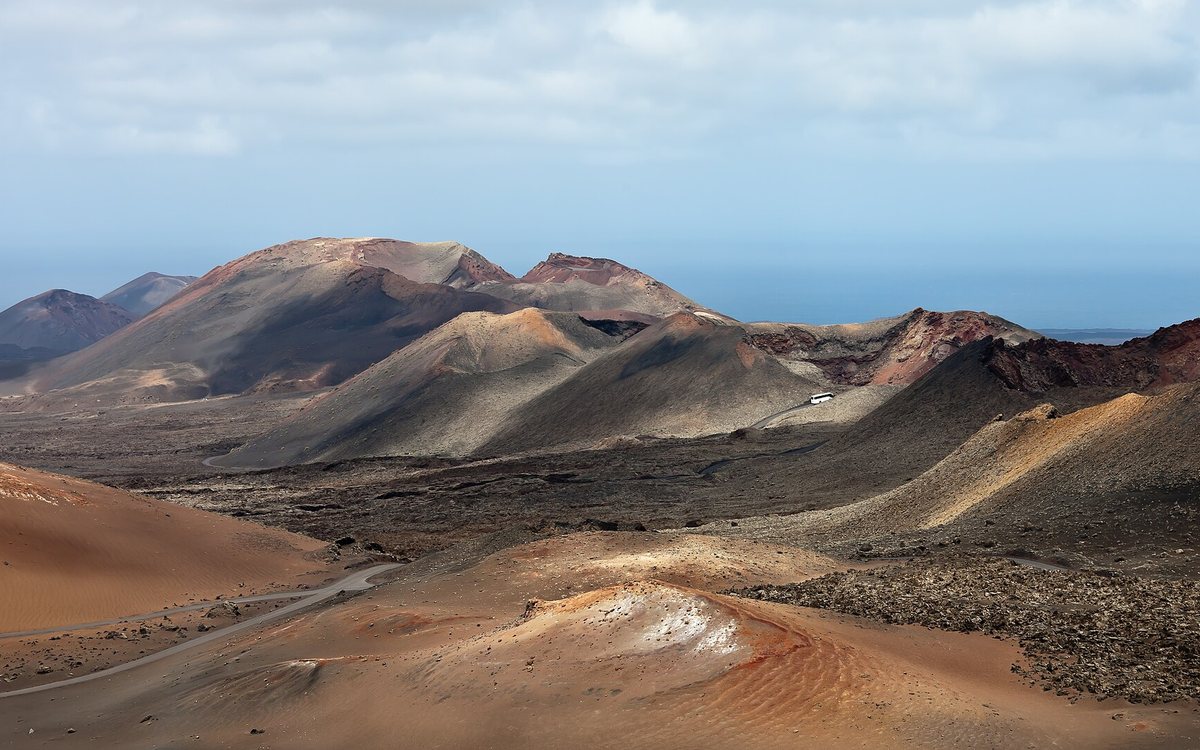
Where is Lanzarote, and how was it formed?
Lanzarote is part of the Canary Islands, a Spanish archipelago in the Atlantic near the northwest coast of Africa. The islands were built by episodes of submarine volcanism and rose above the sea.
Spain’s National Geographic Institute dates Lanzarote’s oldest basalt formations to around 17 million years ago. That does not mean every landscape is that old: the lava at Timanfaya is very recent in geological terms. The precise origin of Canary Islands volcanism remains a subject of geological research; the islands formed in several phases.
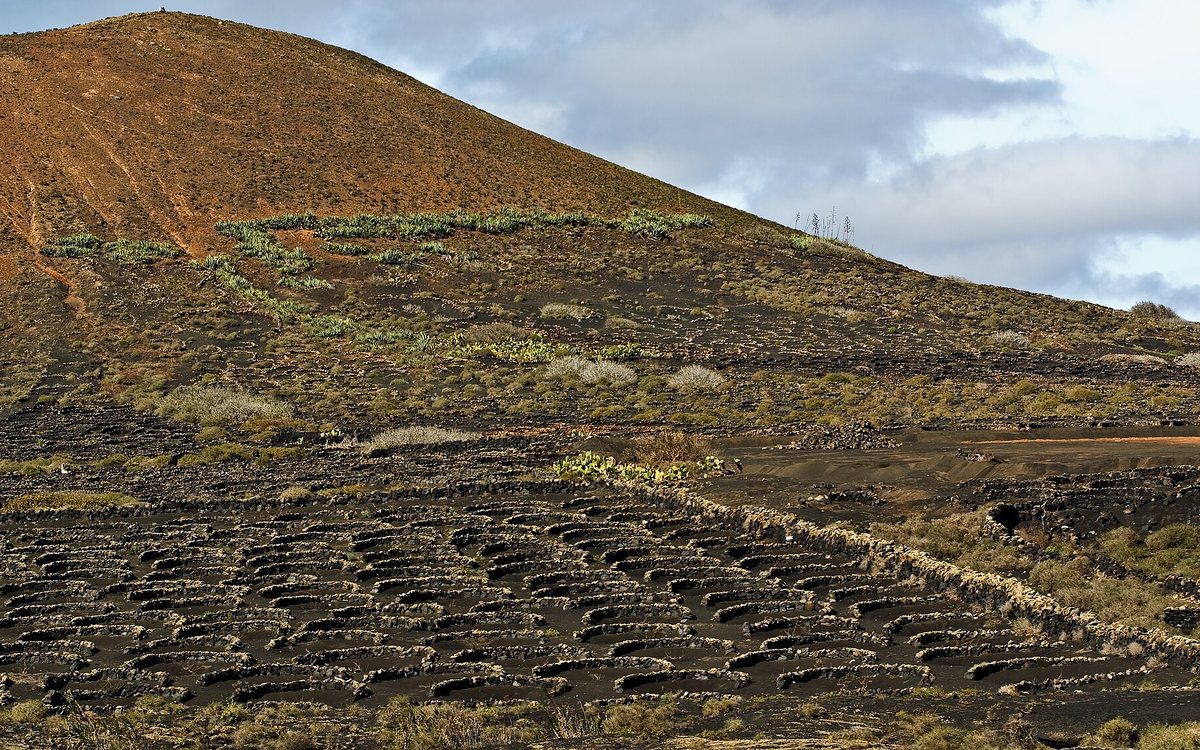
Dry conditions, trade winds and volcanic soils shape farming. In La Geria, vines grow in hollows sheltered from the wind and covered in volcanic gravel. UNESCO designated Lanzarote a Biosphere Reserve in 1993.
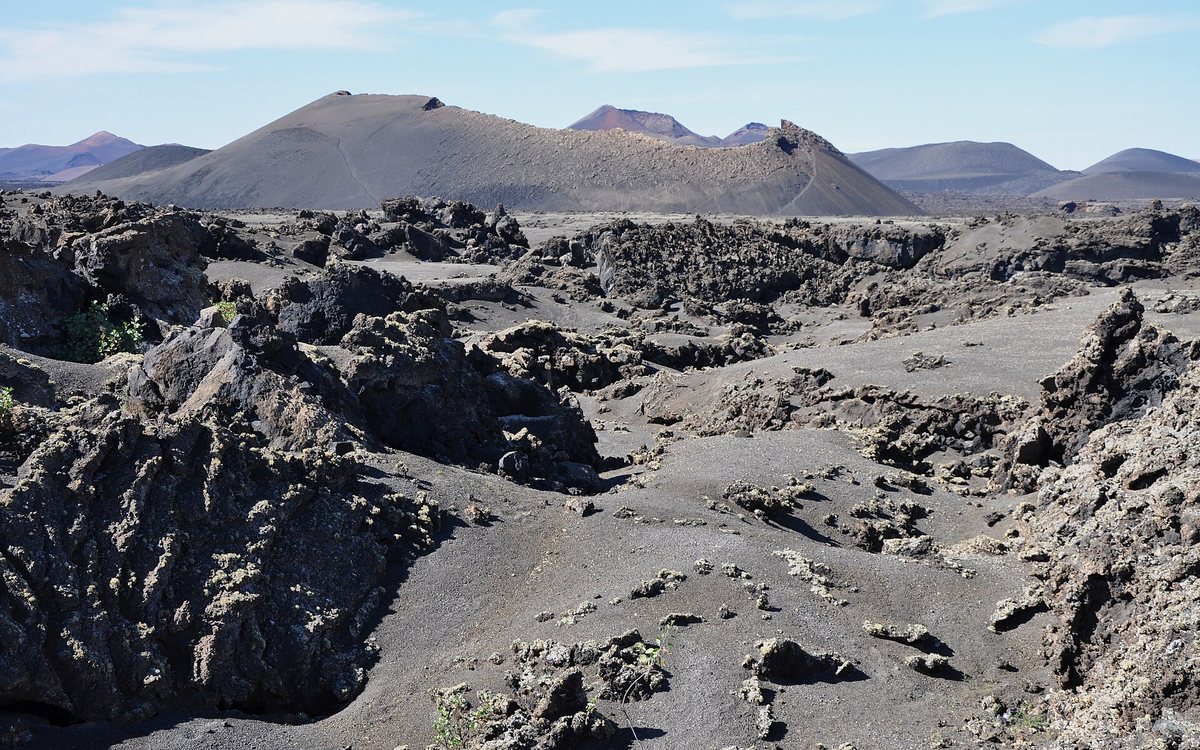
When were the last eruptions?
The major eruptions from 1730 to 1736 transformed the island’s southwest and created much of the Timanfaya landscape. Lanzarote’s last historical eruption took place in 1824. Volcanism is part of the island’s story, but lava is not flowing at Timanfaya today.
Explore this history on permitted volcanic trails, the Volcano Route bus tour in the national park, and in La Geria, where people found ways to farm the terrain.
Who was César Manrique?
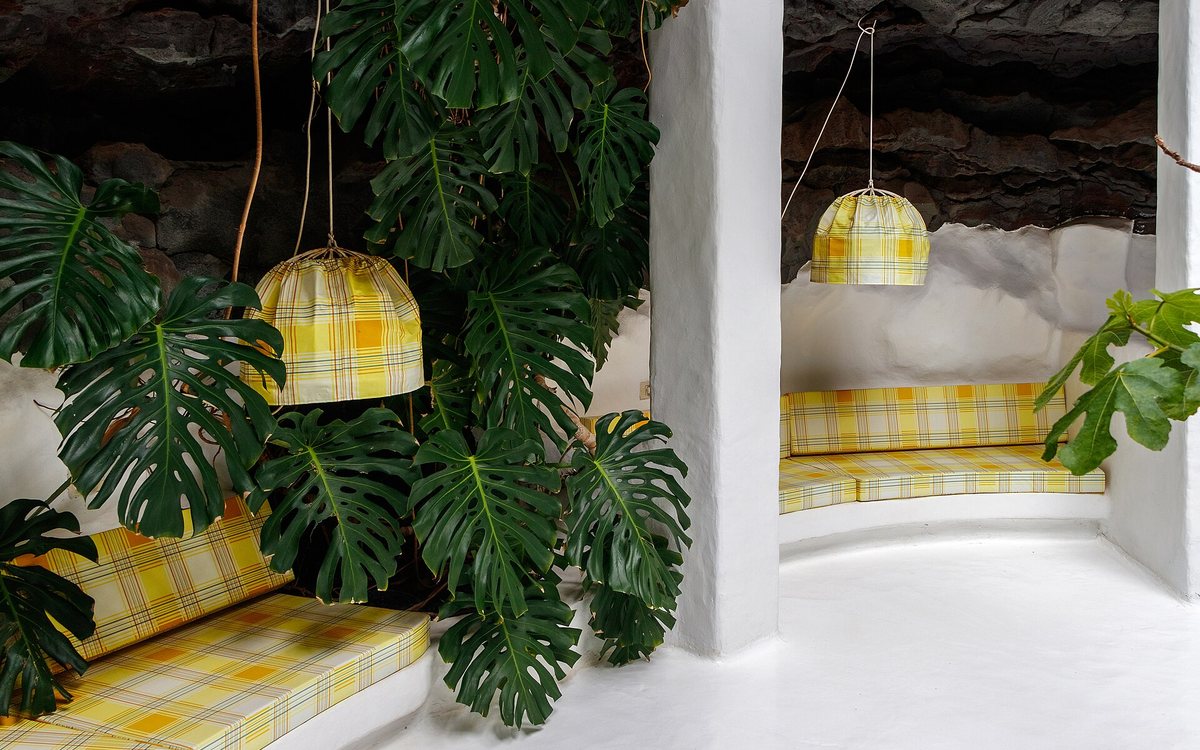
César Manrique (1919–1992) was born in Arrecife. A painter, sculptor and creator of cultural spaces, he helped shape a way of building on and visiting Lanzarote that responds to its landscape. His influence can be seen at the Fundación César Manrique in Tahíche, the Casa-Museo in Haría, Jameos del Agua, Jardín de Cactus and Mirador del Río.
These places also reflect collaborations with Jesús Soto, artisans and local institutions. Group the northern sites into one day, and leave Tahíche or Arrecife for another.
<a href="/en/cesar-manrique-art-lanzarote/">Explore places connected with art and Manrique →</a>
What about today?
Lanzarote is a lived-in island. Arrecife, villages, markets, festivals and agricultural landscapes are part of everyday life. Plan around official opening hours, weather and events that are actually scheduled.
For an itinerary at your own pace, try the planner with your travel dates. The first Capsules are free.
<a href="/en/#builder">Try the trip planner</a> · <a href="/en/#explore">Events calendar</a>